
The Board's Role in Organizational Stability
ISSUE 2
I have deep respect for people who volunteer their time, often on evenings and weekends, to serve on a nonprofit board because they believe in the mission.
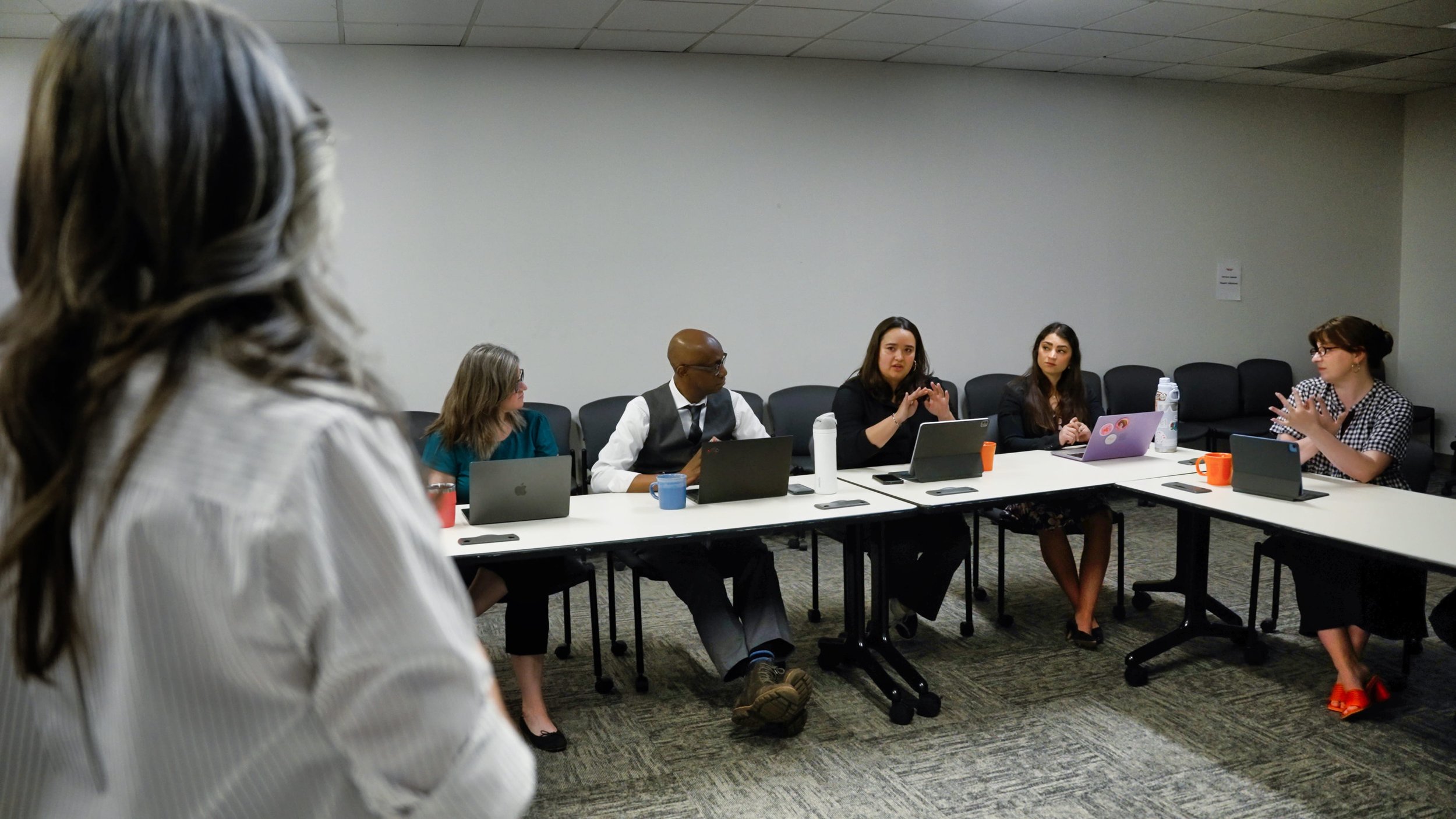
In behavioral health, for example, many board members arrive with a personal connection to the mission. Having a child who struggled to find the right care. Helping a friend navigate a system that was not built for them. Seeing a need in their community and deciding that they want to take action to address it. That kind of motivation is personal, and it is powerful.
And then, somewhere along the way, that same board member gets asked to help hire a CEO.
What I have seen consistently is a group of deeply committed people being asked to do one of the most consequential things an organization will ever do, for the first time, and often without support, structure, or previous experience.
What separates boards that handle this well from those that struggle is usually structure, and structure is something any board can build. The commitment is already there.
A board's role in organizational stability is active, engaged, and consequential. It extends well beyond governance, financial oversight, and quarterly meetings. When an organization is in transition, the board holds the reins while everything else is in motion.
“A board that understands its role in transition is the foundation from which a new chapter becomes possible.”
The more stable organizations I have worked with have boards that know when to govern and when to engage more directly. That clarity is built intentionally, ideally before a transition arrives.
The Breakdown: Four Areas Where Board Engagement Matters
When a leadership transition is on the horizon or already underway, these are four areas where a board's engagement shapes the outcome.
1. Hire for the Organization You Are Becoming
A hiring challenge I see is using a job description written for the leader the organization needed three years ago. The board's first responsibility is to take an honest, current look at the organization such as its financial health, its culture, its program strengths, its growth areas, and where it is headed. The right next leader is the one who can take the organization forward into its next chapter.
2. Build a Process That Includes the People Doing the Work
The people doing the work are the institutional memory and the culture carriers, and ultimately they will work alongside whoever is hired. Boards that build in structured opportunities for staff voice during a search consistently hire better and onboard more successfully. Their perspective is part of the process from the beginning, and that investment pays dividends long after the hire is made.
3. Learn How to Interview for What Matters
Not all board members have hiring responsibility in their own professional roles. Interviewing and hiring require knowledge of employment law, familiarity with best practices, and skill-development specific to this task. These skills include behavioral interviewing, checking your own assumptions and biases during a hiring process, evaluating a candidate's leadership style against the specific needs of your organization, and assessing a candidate’s alignment with the values and mission of the organization and its people.
There is a structured, learnable process for all of it. A good rubric, developed before interviews begin, gives every board member a shared language for evaluation and takes the guesswork out of a high-stakes decision.
4. Set the New Leader Up to Succeed
The first 90 days of a new CEO or Executive Director's tenure are among the most consequential of their entire leadership. Boards that stay engaged during onboarding, provide clear expectations, check in regularly, and create space for honest conversations, give new leaders the conditions they need to succeed. Staying close during that transition is a meaningful act of stewardship.
If your board is currently navigating a leadership transition, or anticipates one in the next year or two, consider bringing this question to your next board meeting:
"Do we have the structure, the knowledge, and the support we need to lead this process well, and where do we want to strengthen our readiness?"
That conversation, held openly and with curiosity, is one worth having before the vacancy arrives.
Boards that engage a partner for this process often find that the structure and outside perspective make the difference. Whether independently or with support, the board's engagement during a leadership transition shapes the organization's stability, and the organizations they serve are stronger for it.
If your board is preparing for a leadership transition and wants a clear, structured path forward, I would love to connect.
Board-supported CEO hiring is one of the core services at Wiley Executive Strategies, and it is built specifically for this moment.
Warmly,
Michelle