
CASE STUDY — BEHAVIORAL HEALTH INNOVATION
Designing for Wellbeing and Resilience: The Emerson St. Project
A human-centered mental health clinic built for - and with - teens and young adults.
Michelle Wiley, MA, LPC
A WellPower program and center
Denver, CO · 2015–Present

The Problem
14–26
ages of the least-engaged group across the entire behavioral health center. Data revealed adolescents/young adults were underserved organization-wide. Before seeking investment, we piloted "The Downstairs" — a year-long, low-cost proof of concept that confirmed demand.

The Approach
Built with them, not for them
Visioning workshops brought together youth, families, staff, and leadership.
01
Analysis
Data-driven identification of unmet need across the organization and community
02
Strategy
Co-designed program model with all stakeholders; literature review; logic model

03
Action
Phased launch, ongoing evaluation, and iterative improvement cycles

The Solution
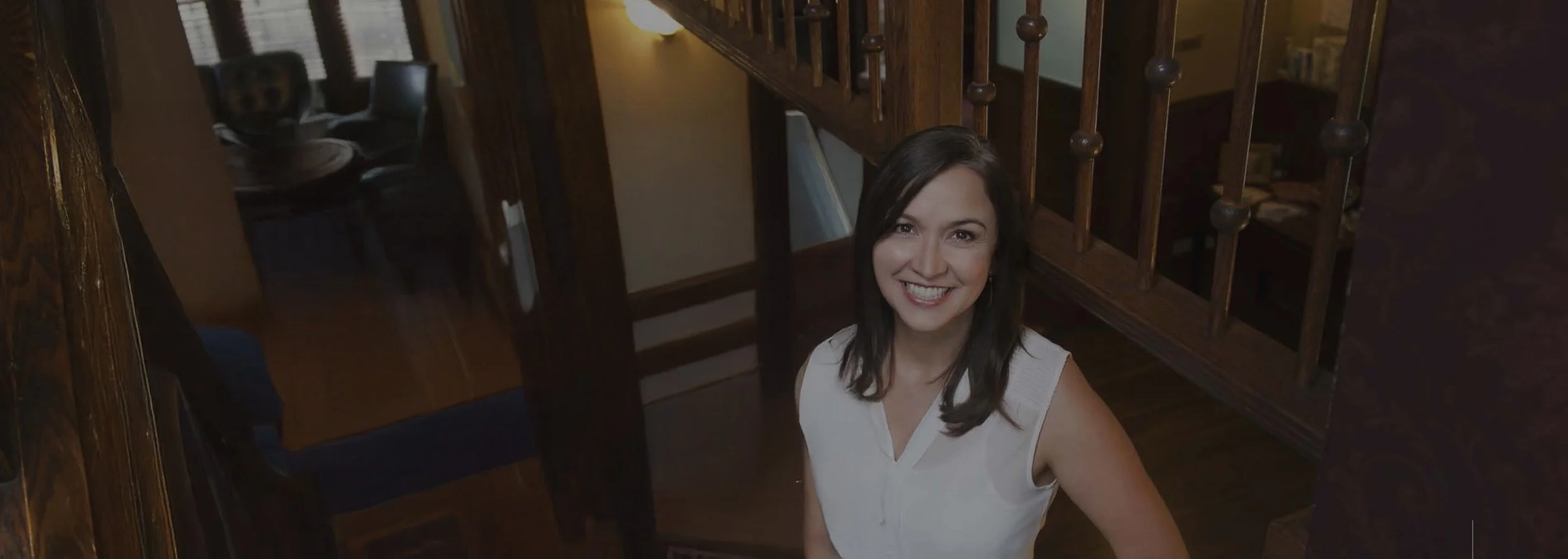
A first-of-its-kind integrated clinic in a converted Victorian — non-clinical, welcoming, all services under one roof.
WellPower purchased a 4-story Victorian building in Denver's Capitol Hill neighborhood, a welcoming, non-clinical, naturalistic environment designed to feel accessible and welcoming.
Emerson St. became the first integrated clinical and psychiatric rehabilitation program at WellPower (formerly Mental Health Center of Denver), combining drop-in socialization, recovery groups, supported employment and education, peer support, and evidence-based clinical therapy under one roof. Doors opened in May 2015.
Impact & Sustainability
Designed to last. Built to grow.
2014 pilot → 2015 opened → 2017 Phoenix Program → Today: active, self-sustaining.
550+
Young people served annually
By year 4, the program served over 550 young people and families per year, growing from a pilot of 20.
$3.3M
Young people served annually
The program reached financial sustainability by year 3 of operation.
315%
Young people served annually
Year 2 goal was 120 people served. We served 499.